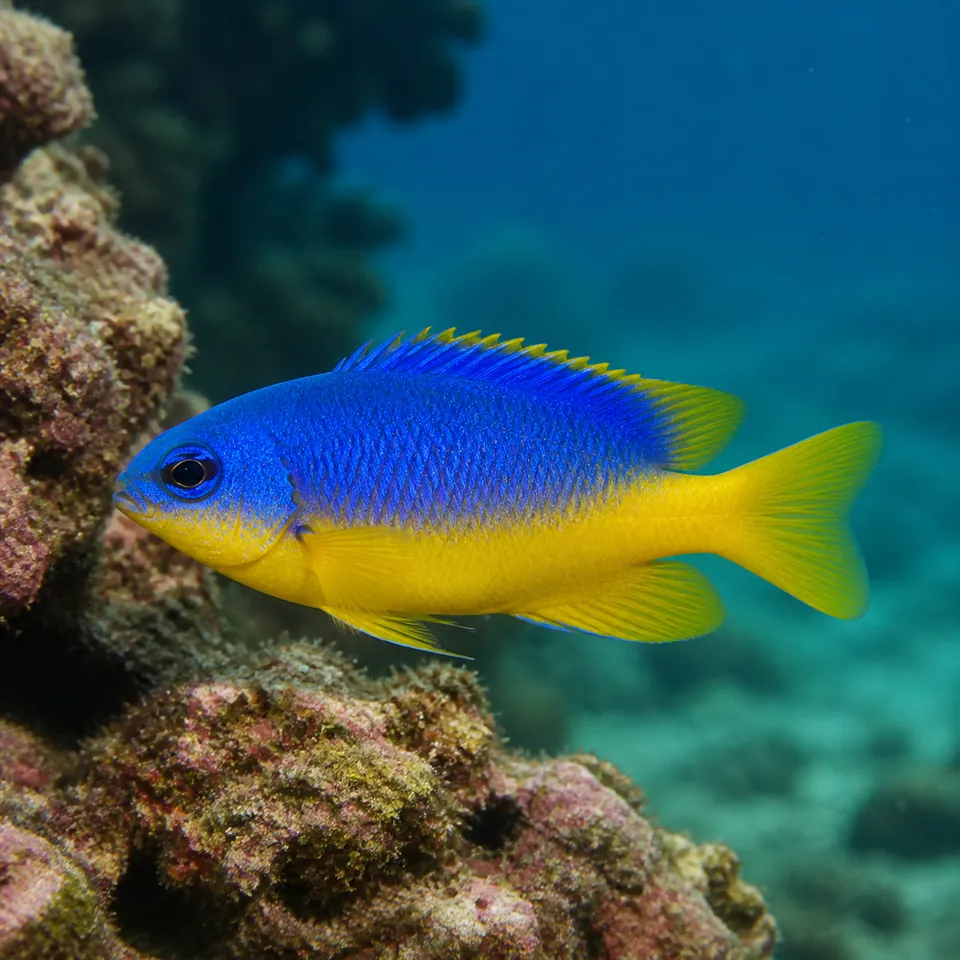
 Illustrative Example
Likely Species
Yellow Tang
- Fish Type
- Coral Reef Fish
Visible Clues
- Bright yellow body with a narrow profile
- Tall dorsal and anal fins
- Shallow coral habitat context
Possible LookalikesRegal Angelfish · Bannerfish
Upload one clear coral-reef fish photo to get a likely species match, visible body and habitat clues, possible lookalikes, and a practical next step. Use the reef fish identifier as a research starting point, not a certification.
Reef Fish Identifier Online
Start with a clear side view from a coral reef, shoreline, dive, or marine aquarium. The reef fish identifier compares body shape, fins, markings, mouth, and habitat context, so a full profile is more useful than a distant or blue-tinted frame.
or click this area to choose an image
A clear reef photo gives the identifier more anatomy and habitat detail to compare.Submit one photo when you are ready.
Supports JPG, PNG, and WEBP · Max 10MB
Illustrative Reef Fish Examples
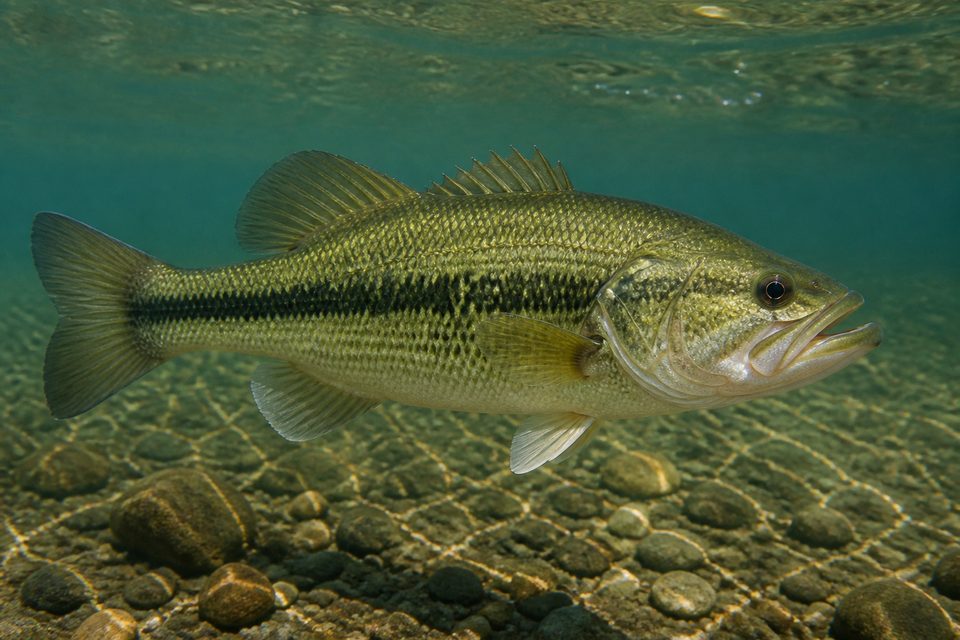
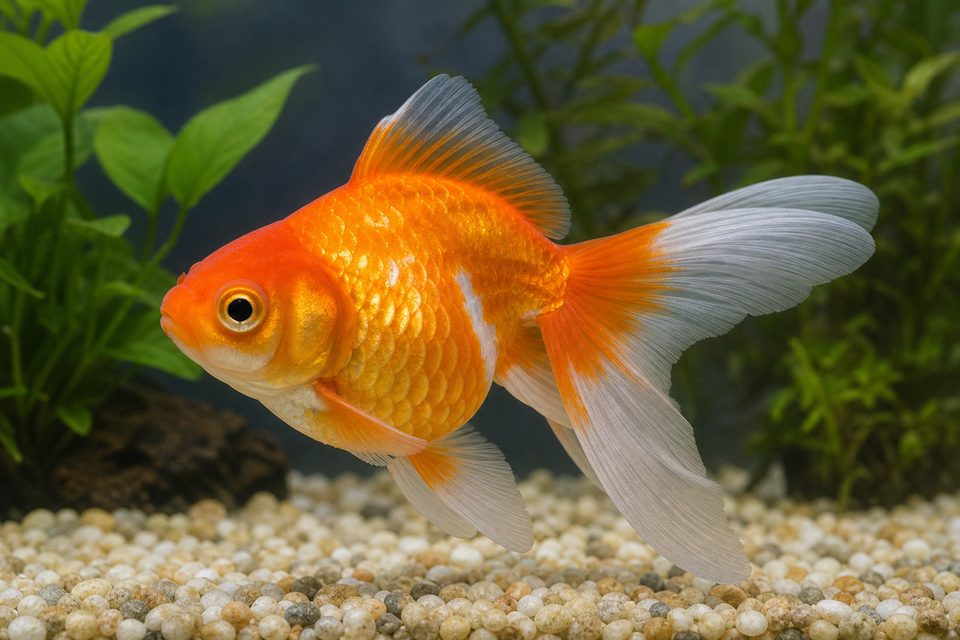
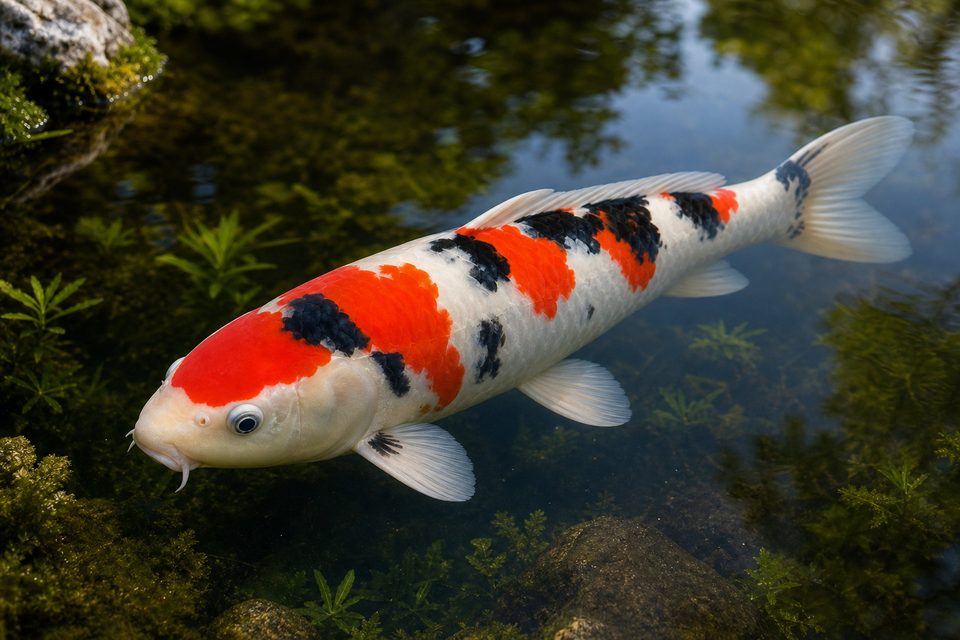
These illustrative fish images demonstrate the result layout. Each case shows a likely species, fish type, visible clues, lookalikes, and a next step. Use the examples to separate an initial match from the evidence that supports it.
Illustrative Example
Likely Species
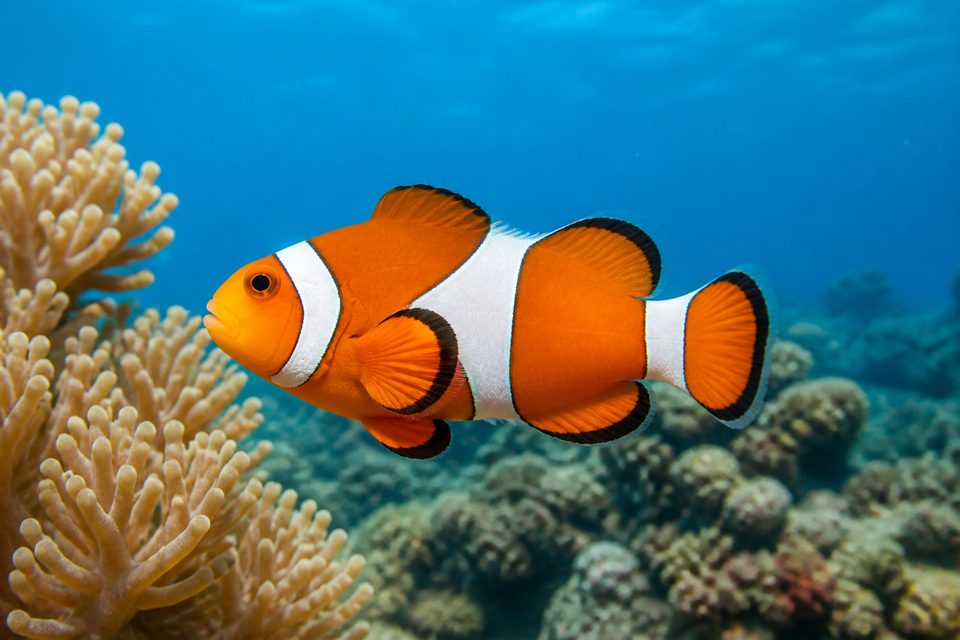 Illustrative Example
Likely Species
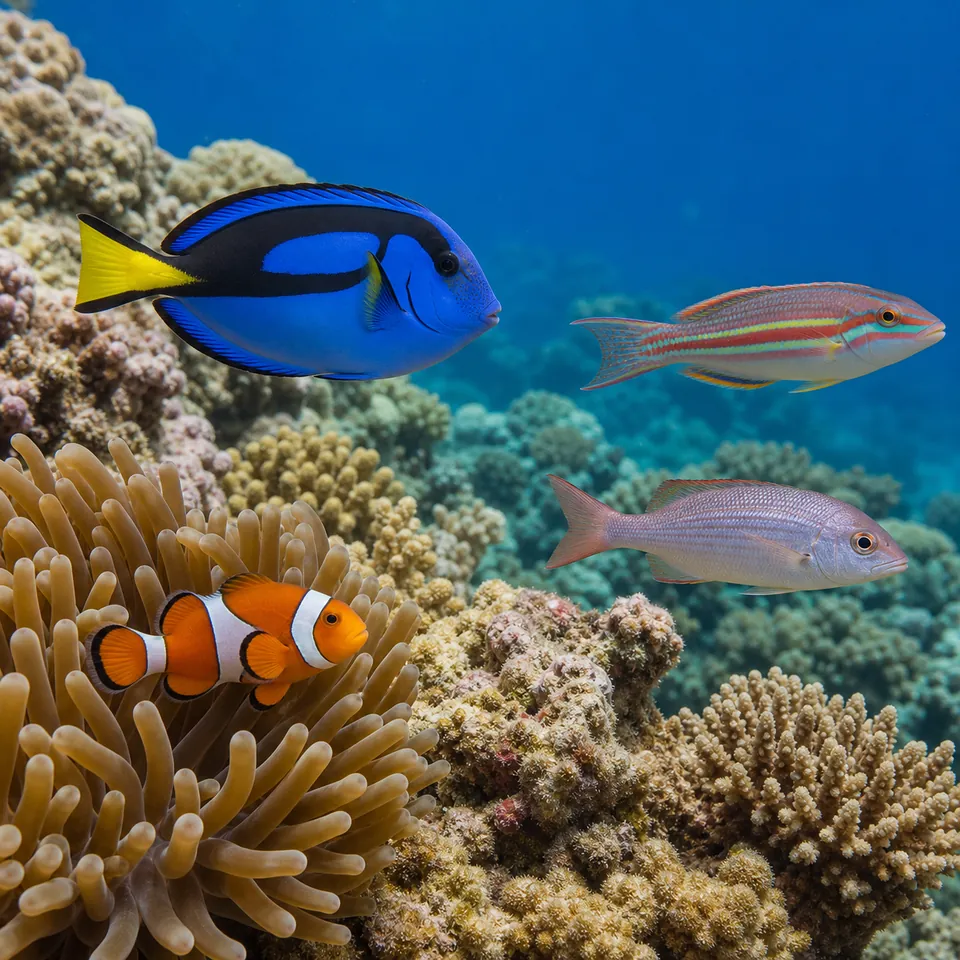 Illustrative Example
Likely Species
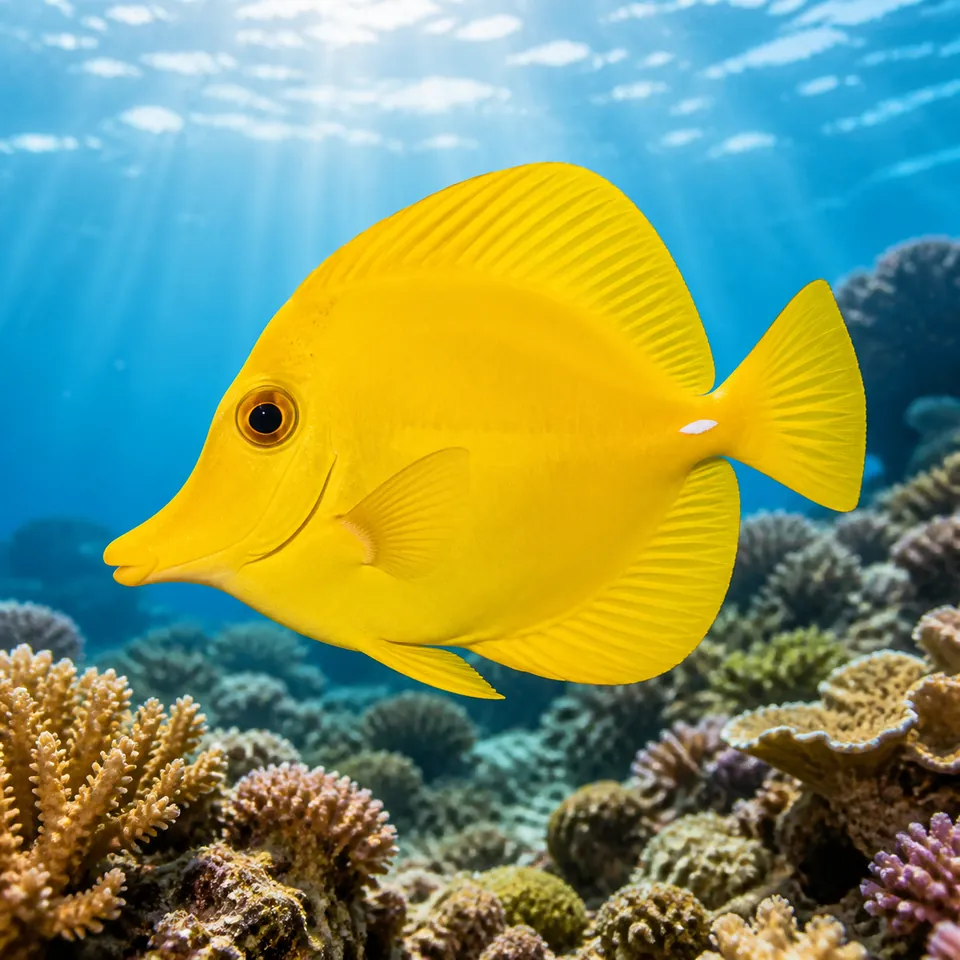 Illustrative Example
Likely Species
The images and result text are illustrative examples. A photo-based result cannot confirm exact species, sex, age, health, disease, water quality, safety, legal status, or professional classification.
Fish Identifier Tools
Use the same photo workflow for reef fish, community-reef fish, pond fish, freshwater catches, and reef fish. For an reef photo, show the whole fish and keep the surface, decorations, and lighting from hiding the features that help compare lookalikes.
How to Use the Reef Fish Identifier
Start with the image rather than a guessed name. The reef fish identifier helps organize visible evidence from a reef photo, then gives you a likely match and a clearer next research step.
Use a sharp side view from a clean original file. Drag and drop an image, use Browse Files, or take a photo on a supported mobile browser. JPG, PNG, and WEBP images up to 10MB are accepted.
Before selecting Identify This Fish, check that the eye, mouth, dorsal fin, tail, and main markings are visible. Move square to the surface, turn off nearby reflections, and avoid a bright background when possible.
Read the likely species, fish type, visible clues, possible lookalikes, and suggested next photo. Use the result as a starting point, then compare it with a trusted reef reference before changing care or stocking decisions.
Better Reef Fish Photos
Reef surface, blue lighting, decorations, and moving fish can hide the evidence a photo identifier needs. These small changes make the body outline and markings easier to compare without disturbing the fish.
Photograph square to the surface and move bright lamps or windows out of the reflection. Avoid flash when it creates a white hotspot over the fish.
Tap the fish rather than the surface or plants. Take several frames and choose the one where the eye, mouth, fins, and markings are least blurred.
Leave the tail, dorsal fin, belly, and head inside the frame. A full outline helps separate clownfish, surgeonfish juveniles, livebearers, cichlids, and other lookalikes.
A small amount of reef scene context can help, but do not let ornaments or plants cover the fish. Record the reef scene type separately from the image.
What the Reef Fish Identifier Looks For
Reef fish identification is not based on one color alone. The tool considers several visible signals together and should remain cautious when reflections, juvenile coloration, or reef scene lighting make the evidence incomplete.
Body depth, snout shape, tail shape, dorsal fins, pectoral fins, and fin placement can separate visually similar fish. The outline often remains useful even when the image color is imperfect.
Stripes, bars, spots, patches, lateral lines, and the contrast between the back and belly can point toward different species. Markings are most helpful when they are visible across the whole side.
Visible eye size, mouth position, barbels, scale texture, and head profile may add useful context to the visual comparison. A close but unblurred head view can resolve lookalikes that share a general body color.
Freshwater, saltwater, reef, pond, reef, vegetation, shelter, and other scene details can help narrow the likely fish type. Context supports the match, but it does not replace the fish's visible anatomy.
A photo cannot reliably determine age, sex, health, disease, water chemistry, compatibility, exact lineage, or safe treatment. Use an aquarist or qualified aquatic veterinarian when those answers matter.
Reef Fish Identifier FAQ
Direct answers about reef photos, reef fish, accuracy, care decisions, and privacy.
Often you can get a likely group or species candidate when the photo is sharp and shows the body, fins, head, and markings. Treat the result as a starting point, especially when clownfish, surgeonfish juveniles, livebearers, and cichlids share similar shapes.
Use a clear side view with even light and as little surface reflection as possible. Keep the full body, eye, mouth, dorsal fin, tail, and main color pattern in frame.
The tool can consider common ornamental and reef fish when the image contains useful visual evidence. It may suggest a likely match and lookalikes, but it cannot guarantee a variety, lineage, sex, or exact trade name.
Photograph one fish at a time, use a side view, and keep nearby plants or reef scene mates from covering the outline. Note the reef scene type and approximate size separately so you can compare the result with a care guide.
No. A species suggestion is not a disease diagnosis. White spots, fin damage, swelling, or unusual behavior can have several causes; use water tests and consult a qualified aquatic veterinarian or experienced aquarist.
Results depend on focus, lighting, reflections, angle, age, color form, and how much of the fish is visible. Fish Identifier does not promise a fixed accuracy percentage; verify important care decisions with a trusted reference.
The page is free to open, choose a photo, and preview an example result. An active paid plan or credit balance is required to submit a live identification request.
No. A photo cannot confirm health, water quality, parasites, toxicity, or safe treatment. Use the result only to guide further research and seek professional help when the fish is unwell.
The selected image remains in the browser until you choose to submit it. When submitted, it is sent to the identification service for processing. Review the Privacy Policy for current information about processing, retention, and your choices.
Take a clearer side photo, reduce glare, show the fins and head, and compare the candidate with a reliable reef reference. Do not force a precise species name when the visual evidence is weak.
Ready to look closer?
Upload a clear reef photo and use the result as your next research step. For disease, compatibility, water quality, toxicity, or other high-stakes care decisions, confirm the result with a trusted source or qualified professional.